Copilot o ChatGPT no significa tener inteligencia artificial
El 80% de pymes usa IA solo porque viene incluida en su suite. Este análisis explica por qué eso no genera impacto y cómo aplicar IA con retorno en 2026.

Practical tips on productivity and digitization with AI, as well as tools to improve processes and efficiency in any team.
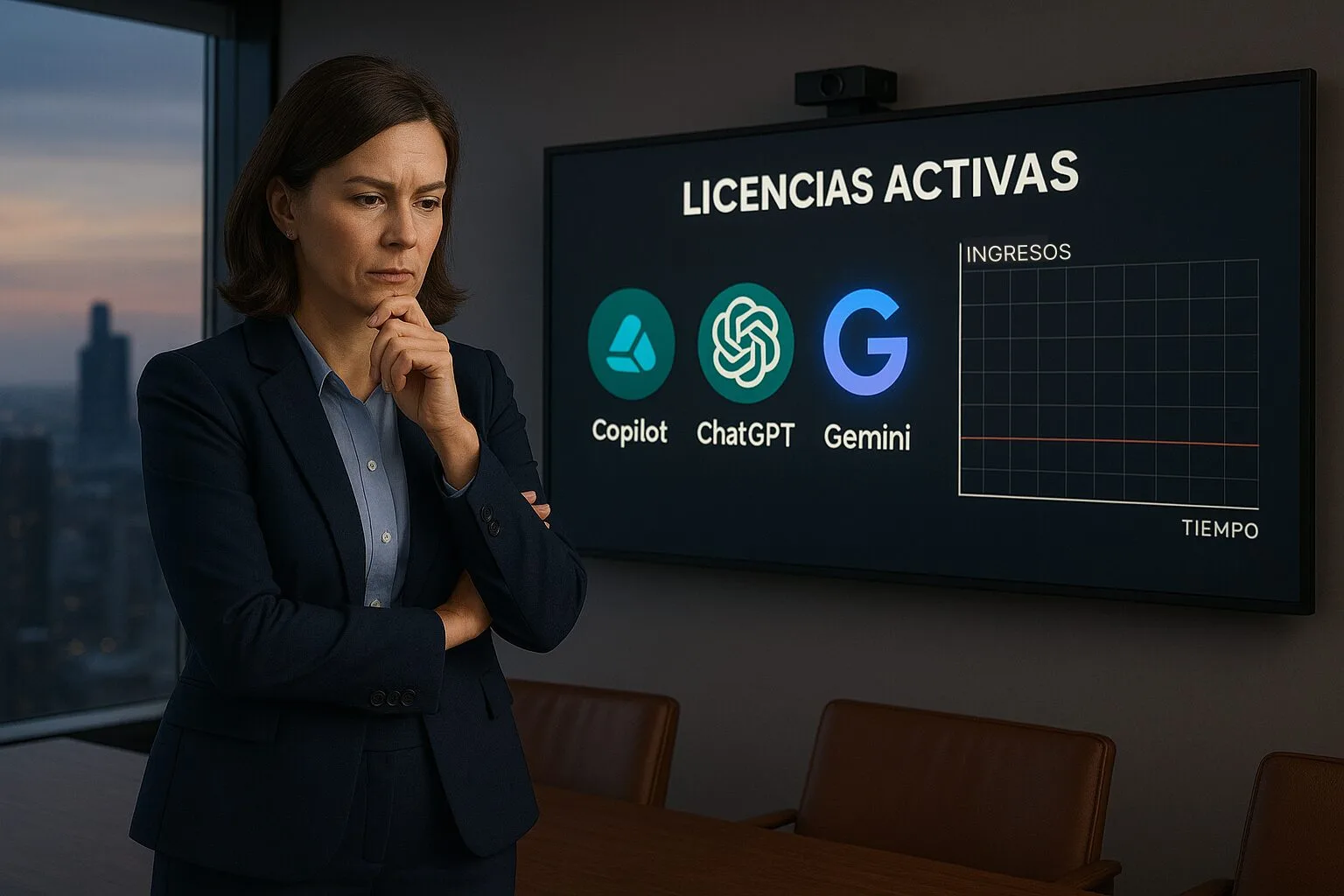
El 80% de pymes usa IA solo porque viene incluida en su suite. Este análisis explica por qué eso no genera impacto y cómo aplicar IA con retorno en 2026.
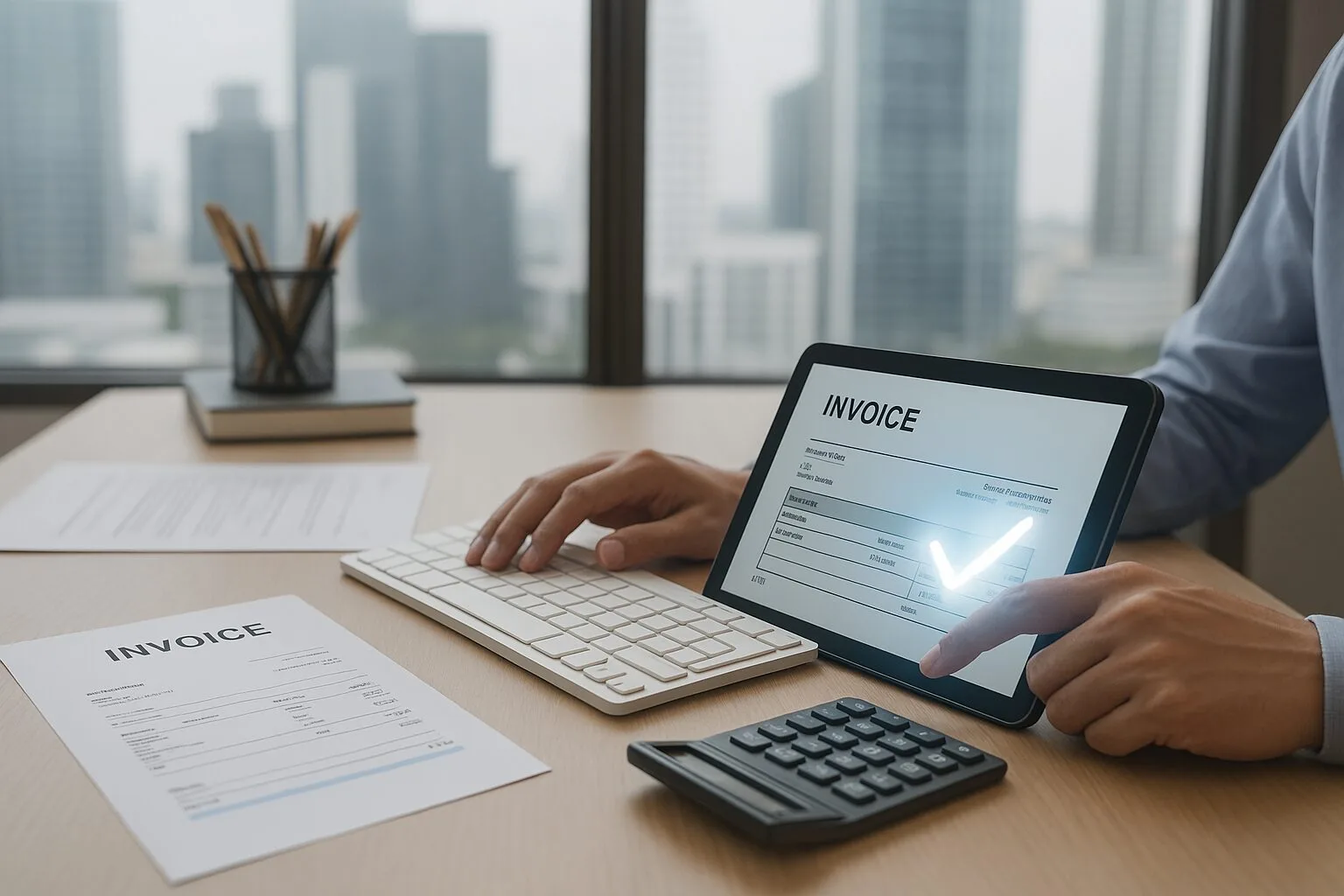
What you really need to comply with VeriFactu and electronic invoicing if you are self-employed or a micro-enterprise in 2026, without paying unnecessary licenses or depending on third parties.

A guide for management and administration teams on the structured implementation of regulations, from legal understanding to process optimization.
Lead scoring isn't about assigning numbers, but about scoring leads using shared criteria. When marketing and sales learn to measure the same things, conversion rates increase and friction disappears.
Lead scoring isn't about assigning numbers, but about scoring leads using shared criteria. When marketing and sales learn to measure the same things, conversion rates increase and friction disappears.

By 2025, artificial intelligence is everywhere, but almost no one is raising the critical question:
What type of AI truly helps an SME save time, improve margins, and make better decisions?

Traditional SEO measured positions, impressions, and clicks. Today, some visibility happens outside your website:
AI assistants synthesize and quote content without generating direct visits. This article defines a framework for
AIO Analytics to measure combined visibility: SEO + AI signals. Less talk, more evidence.

OpenAI has integrated its assistant into a browser: actionable summaries, comparisons, and semi-automatic tasks
directly on the pages you visit. This guide explains what changes for SMEs and startups, and how to take advantage of it from
the first week and what limits should be set to turn the novelty into a real return.

OpenAI has integrated its assistant into a browser: actionable summaries, comparisons, and semi-automatic tasks
directly on the pages you visit. This guide explains what changes for SMEs and startups, and how to take advantage of it from
the first week and what limits should be set to turn the novelty into a real return.

Municipal websites were created to publish information. Citizens, however, need guidance and results. With the arrival of AI-powered browsers (like Atlas), the relationship changes: residents no longer simply "search" through internal menus; they ask questions and expect a clear, verifiable, and official answer. This article explains how to move from a portal that simply informs to a service that guides, using an AIO/Atlas approach that benefits both people and AI systems.

Every year, more city councils announce their move into artificial intelligence. The headlines sound promising: automated processes, citizen chatbots, efficient management. But a few weeks later, the teams are overwhelmed, the suppliers disappear from view, and the projects fizzle out in administrative silence.
.

The municipal teams are exhausted. Every day they draft minutes, reports, specifications, certifications, and memoranda; they correct versions, adjust paragraphs, update annexes, and repeat processes for minor errors in formatting or interpretation.

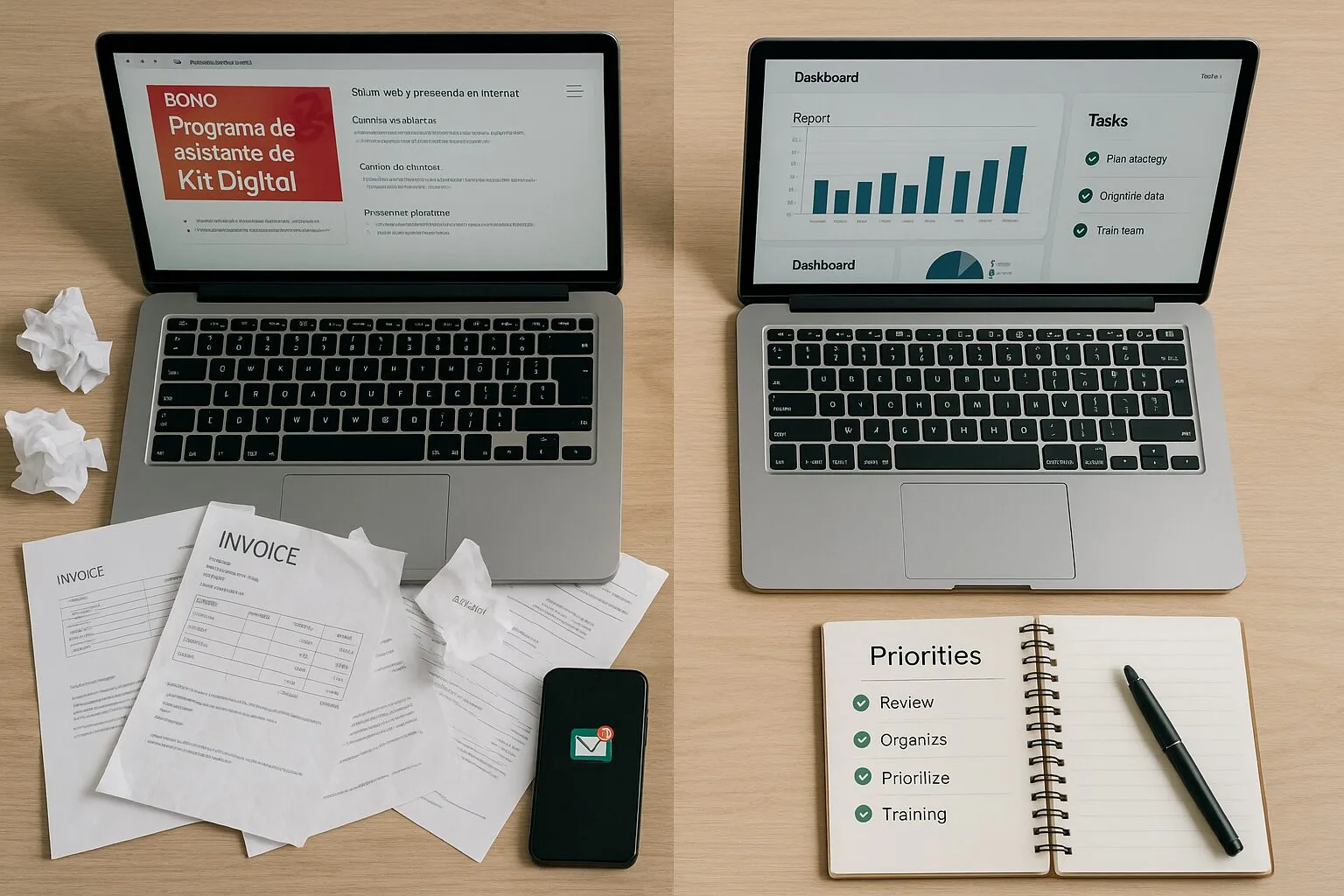
In recent years, thousands of SMEs have invested in digital tools, training, and services subsidized by programs such as the Digital Kit. They have launched new websites, CRMs, management platforms, and automation systems.

Many small and medium-sized businesses have accumulated a stack of CRM, email, social media, automation, analytics, and AI tools out of trendiness or fear of being left behind. The result is often more noise than return. Here you'll see how to move from chaos to an organized digital system that drives your business forward.

Many SMEs fall behind not because of a "lack of digitalization," but because of excessive complexity: massive stacks, automations that no one dares to touch, and projects that accumulate tasks but not results. Here you'll see how to regain control without dismantling everything.

AI doesn't fail because of technology, it fails because of management. If you run an SME and want to turn the promise into a return, avoid three common mistakes: measuring activity instead of results, implementing without a use case or governance, and integrating AI as an "island" rather than as part of the system.

In SMEs, AI isn't a universal shortcut. It doesn't save you from thinking; it saves you from repeating tasks. We differentiate between the areas where it truly reduces work and those where it can actually lead to wasted effort, providing examples, checklists, and helpful references.

What is hindering the adoption of AI in local administrations, what changes with the AI Act, and how to move from doubts to measurable results with controlled 90-day pilot projects.

Many small and medium-sized businesses still measure their "digitalization" by having a website and social media presence. The market is two steps ahead: Google is integrating generative responses (AI Overviews), and millions of people are already asking questions of AI assistants.

Artificial intelligence is no longer a luxury reserved for large corporations or startups: it's also within reach of SMEs. In this article, you'll discover how to apply AI strategically and measure its real return, avoiding waste and projects that go nowhere. We analyze the most common pain points, the consequences of not getting on board, and a practical phased plan with clear ROI examples.